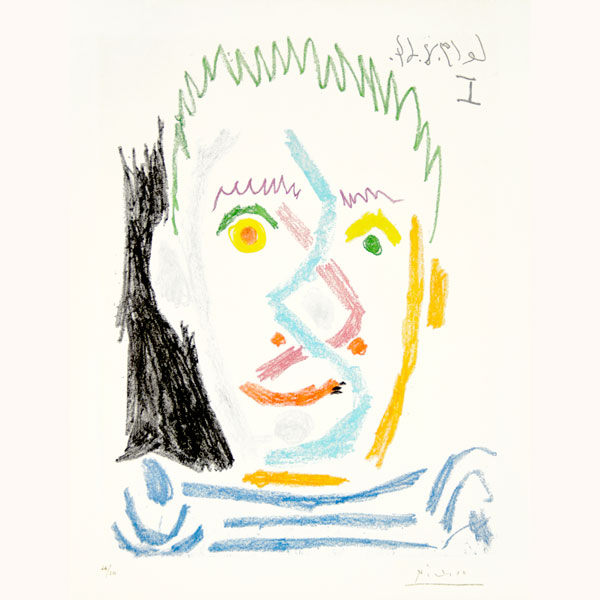
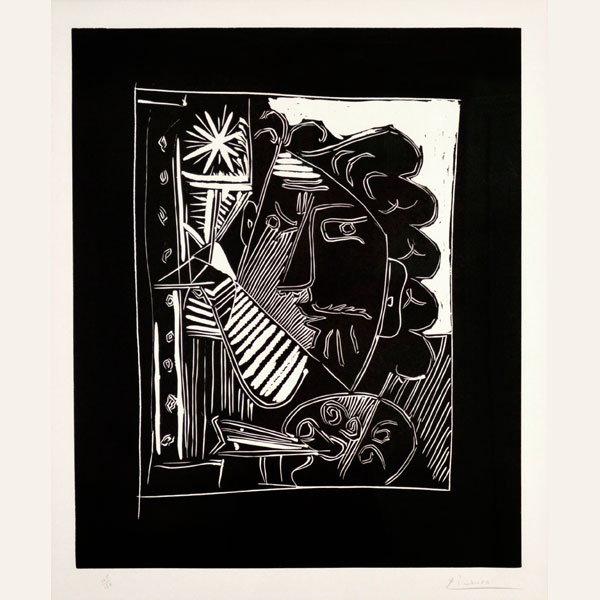


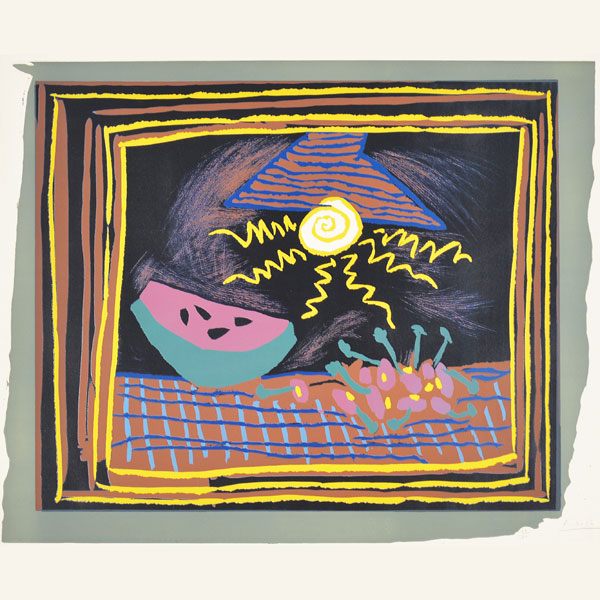
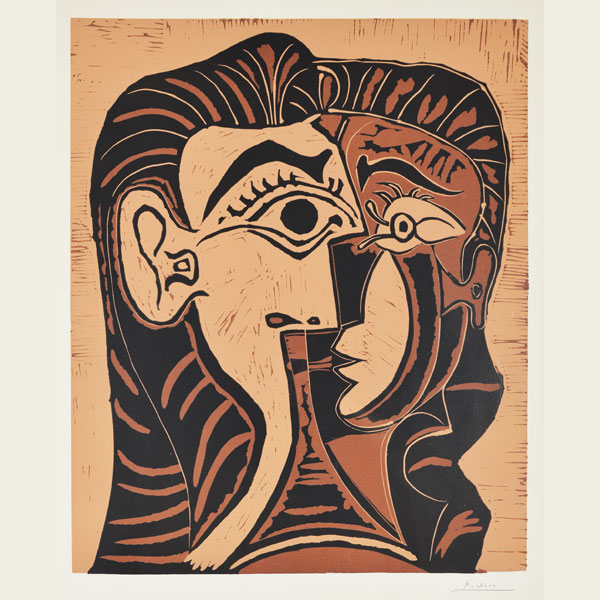
Selling a Pablo Picasso starts with identifying exactly what you own and understanding its current market. Our process is designed to help owners of Picasso paintings, prints, ceramics, lithographs, linocuts, drawings and other works receive a clear evaluation and, when appropriate, a confidential direct purchase offer.
Because Picasso worked across so many media, the information used to identify and value one artwork can be very different from another. A painting may require Zervos and provenance research, while a lithograph may be identified through Mourlot and Bloch references and a ceramic through an Alain Ramié A.R. number.
Step 1: Send Us Photographs of Your Picasso
Start by sending clear photographs of the artwork.
Whenever possible, include:
- Full front and back of the work
- Close-up of the signature
- Edition number or proof designation
- Stamps, labels or inscriptions
- Dimensions
- Full margins for works on paper
- Base and underside for ceramics
- Any visible condition issues
- Purchase invoices or provenance documentation
If you know the title, date or catalogue raisonné reference, include that as well.
You do not need to have all of this information before contacting us. Clear photographs are often enough for us to begin identifying and researching the artwork.
Step 2: We Identify the Exact Picasso
Correct identification is one of the most important parts of evaluating a Picasso.
The relevant catalogue references depend on the medium:
- Paintings and drawings: Christian Zervos and other scholarly catalogues
- Lithographs: Fernand Mourlot and Georges Bloch
- Linocuts: Georges Bloch and Brigitte Baer
- Etchings and other graphic works: Bloch and Baer
- Ceramics: Alain Ramié, generally identified by A.R. number
We may also review dimensions, paper, medium, signature, edition structure, printer, publisher, Madoura markings, labels and other physical characteristics.
Correct identification matters because different editions, proofs, states and versions of visually similar Picasso works can have very different market values.
Step 3: We Review Authenticity and Documentation
A Picasso signature alone is not enough to establish authenticity.
Depending on the artwork, we may compare the work with:
- Catalogue raisonné information
- Known dimensions
- Medium and support
- Paper
- Edition details
- Printer or publisher
- Madoura stamps and ceramic markings
- Signature and inscriptions
- Gallery labels
- Exhibition history
- Published literature
- Provenance
For important unique works, scholarly documentation and ownership history can be especially significant.
If additional specialist examination or authentication is appropriate, we can explain what may be required before a purchase is finalized.
Step 4: We Review Condition and Provenance
Condition and provenance can materially affect both value and marketability.
For Picasso prints and works on paper, we may review for:
- Fading
- Foxing
- Toning
- Staining
- Tears or creases
- Trimming
- Mounting
- Tape residue
- Restoration
For paintings, we may consider:
- Paint loss
- Cracking or flaking
- Retouching
- Overpainting
- Lining
- Structural issues
- Previous conservation
For ceramics, we may review:
- Chips
- Cracks
- Hairlines
- Repairs
- Restoration
- Glaze loss
- Surface damage
We also review available provenance, including gallery invoices, auction records, estate documentation, collection history, exhibition labels and previous ownership information.
For major Picasso paintings, current auction catalogues continue to give substantial attention to provenance, exhibition history, literature and Zervos references because these factors can materially affect how a work is understood in the market.
Step 5: We Research the Current Picasso Market
Once the artwork has been identified, we review relevant recent sales and current market activity.
Factors can include:
- Exact medium
- Catalogue raisonné reference
- Date or period
- Subject or image
- Edition size
- Proof type or state
- Signature
- Condition
- Provenance
- Rarity
- Current availability
- Collector demand
- Recent comparable sales
We focus on sales of the same artwork or genuinely comparable Picasso works rather than relying on broad averages for the artist.
A Picasso lithograph should not be valued by comparing it with an unrelated painting, and a signed limited edition should not be compared directly with an unsigned publication edition.
Step 6: Receive a Confidential Picasso Valuation
After reviewing the artwork and relevant market evidence, we discuss our evaluation with you.
If additional photographs, documentation, condition information or a physical inspection are needed, we will explain what is required before a final purchase decision can be made.
There is no obligation to sell simply because you requested a valuation.
Step 7: Receive a Direct Purchase Offer When Appropriate
For Picasso works we are actively acquiring, we may make a confidential direct purchase offer.
Our interest may depend on:
- The exact artwork
- Medium
- Edition or proof type
- Condition
- Provenance
- Rarity
- Current inventory
- Collector demand
A direct private sale can provide a more predictable alternative to waiting for an auction when the artwork is one we already want to acquire.
Step 8: Confirm the Sale and Payment Terms
If you choose to accept our offer, we confirm the purchase price and transaction details before the artwork moves.
We explain:
- Payment method and timing
- Any inspection requirements
- Packing arrangements
- Shipping or pickup
- Insurance during approved transit
- Sale documentation
You should understand the transaction terms before completing the sale.
Step 9: We Coordinate Packing, Pickup and Insured Transportation
For completed purchases, we can help coordinate professional packing, fine-art handling and insured transportation.
The appropriate method depends on the Picasso artwork, its value, dimensions, framing, condition and location.
A major painting, framed lithograph, unframed print, sculpture and ceramic each require different handling.
Depending on the work and location, professional fine-art handlers or white-glove transportation may be appropriate.
Step 10: Complete the Sale
Once the agreed transaction requirements are satisfied, payment is completed according to the purchase terms.
Our goal is to make the process—from initial photographs through identification, valuation, purchase, transportation and payment—as clear and efficient as possible.
Where Can I Sell My Pablo Picasso?
Picasso artwork can be sold through specialist dealers, private buyers, galleries or auction houses.
The best route depends on what you own, its estimated value, provenance, condition, rarity, current demand and how you prefer to complete the transaction.
We evaluate Picasso artworks for potential direct purchase. For works we are actively seeking, a private sale can allow an owner to sell directly without consigning the artwork to a future public auction.
Major auction houses also offer both auction and private-sale channels for Picasso, reinforcing that the appropriate route depends on the individual artwork rather than one universal method.
Should I Sell My Picasso Privately or at Auction?
Both private sale and auction can be appropriate.
Private Sale
A direct private sale may provide:
- Greater discretion
- More control over timing
- Confidential negotiation
- A known purchase price
- No need to wait for a future auction
- Direct communication with a specialist buyer
For Picasso artworks we are actively acquiring, we may make a direct purchase offer.
Auction
Auction can be appropriate for rare or exceptional Picasso works that may attract competitive bidding.
Before consigning, consider:
- Seller fees
- Estimate
- Reserve
- Auction schedule
- Marketing strategy
- Public exposure
- Payment timing
- What happens if the artwork does not sell
The highest auction estimate is not necessarily the same as the highest net result or the most appropriate way to sell a particular Picasso.
What Picasso Works Do We Evaluate?
We evaluate selected:
- Paintings
- Drawings
- Gouaches
- Watercolors
- Lithographs
- Linocuts
- Etchings
- Aquatints
- Other original prints
- Picasso ceramics
- Sculptures
- Complete suites and portfolios
- Artist’s Proofs
- Printer’s Proofs
- Working and state proofs
- Unique and mixed-media works
We consider artworks from private collectors, families, estates and collections throughout the United States.
What Should I Send First?
You can begin with:
- A photograph of the front
- A photograph of the reverse or base
- Close-up of the signature
- Edition number, if applicable
- Dimensions
- Catalogue reference, if known
- Labels or stamps
- Purchase information or provenance
- Photographs of any condition issues
Do not worry if you cannot answer every question.
If you inherited the artwork, purchased it many years ago or simply do not know what you have, send clear photographs and whatever information is available. We can often begin the identification process from there.
Frequently Asked Questions About Selling Picasso Art
How Do I Know What My Picasso Is Worth?
The first step is identifying the exact artwork. Value can then be assessed using the medium, date, subject, edition or proof type, catalogue references, condition, provenance, rarity, recent comparable sales and current collector demand.
Do I Need a Certificate of Authenticity to Sell a Picasso?
Not necessarily. The appropriate documentation depends on the type of Picasso you own.
Catalogue raisonné references, provenance, gallery invoices, edition information, workshop markings, exhibition history and specialist research may all be relevant. A generic certificate should not replace proper identification of the artwork.
Can I Sell an Unsigned Picasso Print?
Potentially. Picasso produced documented unsigned lithographs, book prints, exhibition editions and other works. An unsigned print should be identified through its catalogue references, paper, dimensions, printer, publisher and edition structure before its market value is assessed.
Can I Sell a Damaged Picasso?
Yes. Condition problems do not necessarily make a Picasso unsellable.
We recommend having the artwork evaluated before cleaning, repairing, restoring or reframing it. Unnecessary treatment can sometimes affect value or make condition assessment more difficult.
How Quickly Can I Sell My Picasso?
Timing depends on the artwork and what is required to identify, inspect and document it.
For Picasso works we are actively seeking and able to evaluate from the information provided, a direct purchase can avoid the longer timetable associated with consigning an artwork to a scheduled auction.
Ready to Sell Your Pablo Picasso?
If you are considering selling a Picasso painting, print, ceramic, lithograph, linocut, sculpture or other artwork, send us photographs and any documentation you have.
We can help identify the work, review its condition and provenance, research relevant recent sales and current market demand, and determine whether it may be appropriate for a confidential direct purchase offer.
Request a Pablo Picasso Valuation
Complete the form below and upload clear photographs of your artwork. You do not need complete documentation before contacting us.