


Want to Sell Pablo Picasso Ceramics? Our gallery reviews Madoura plates, bowls, pitchers, vases, plaques and sculptural forms for potential direct purchase. Send photographs for a confidential evaluation of the exact design, edition, markings, condition and ownership history.
Send Photos of Your Picasso Ceramic
Start with the front, reverse and base. Clear photographs of the complete ceramic and its markings can help us begin researching it. You do not need to know the title or catalogue number before contacting us.
Examples of Pablo Picasso Ceramics
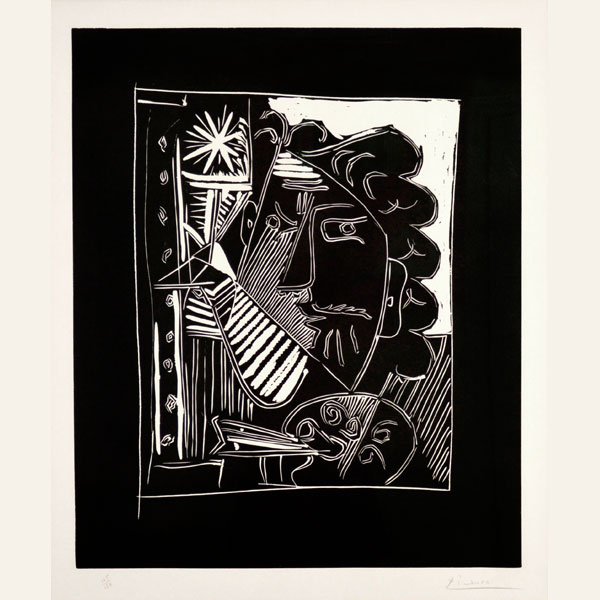
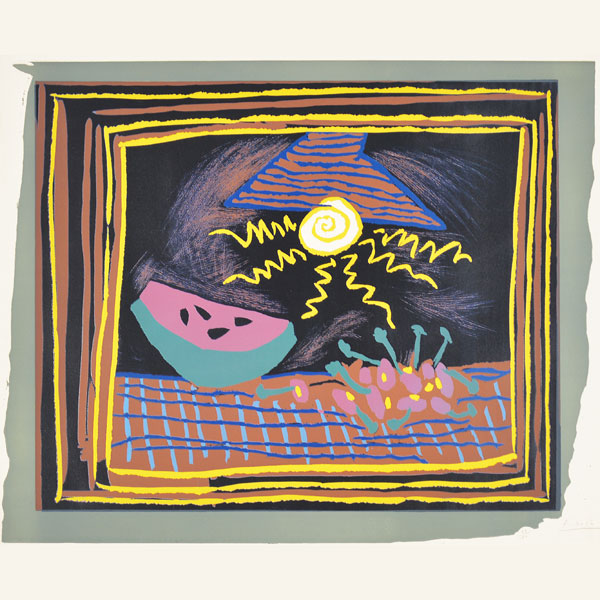
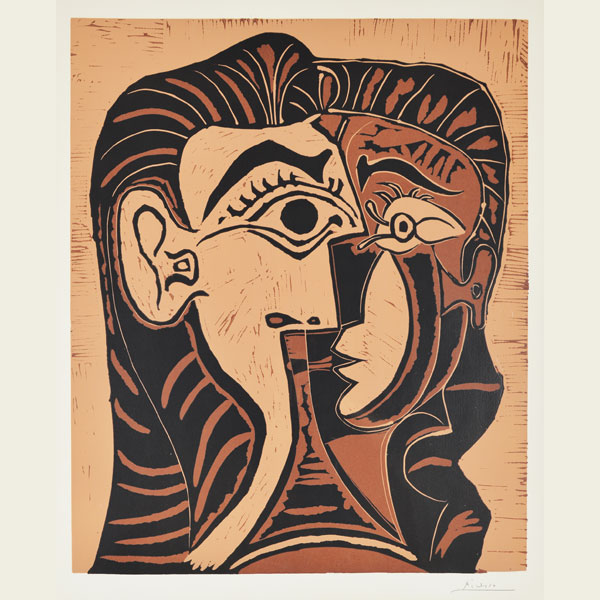
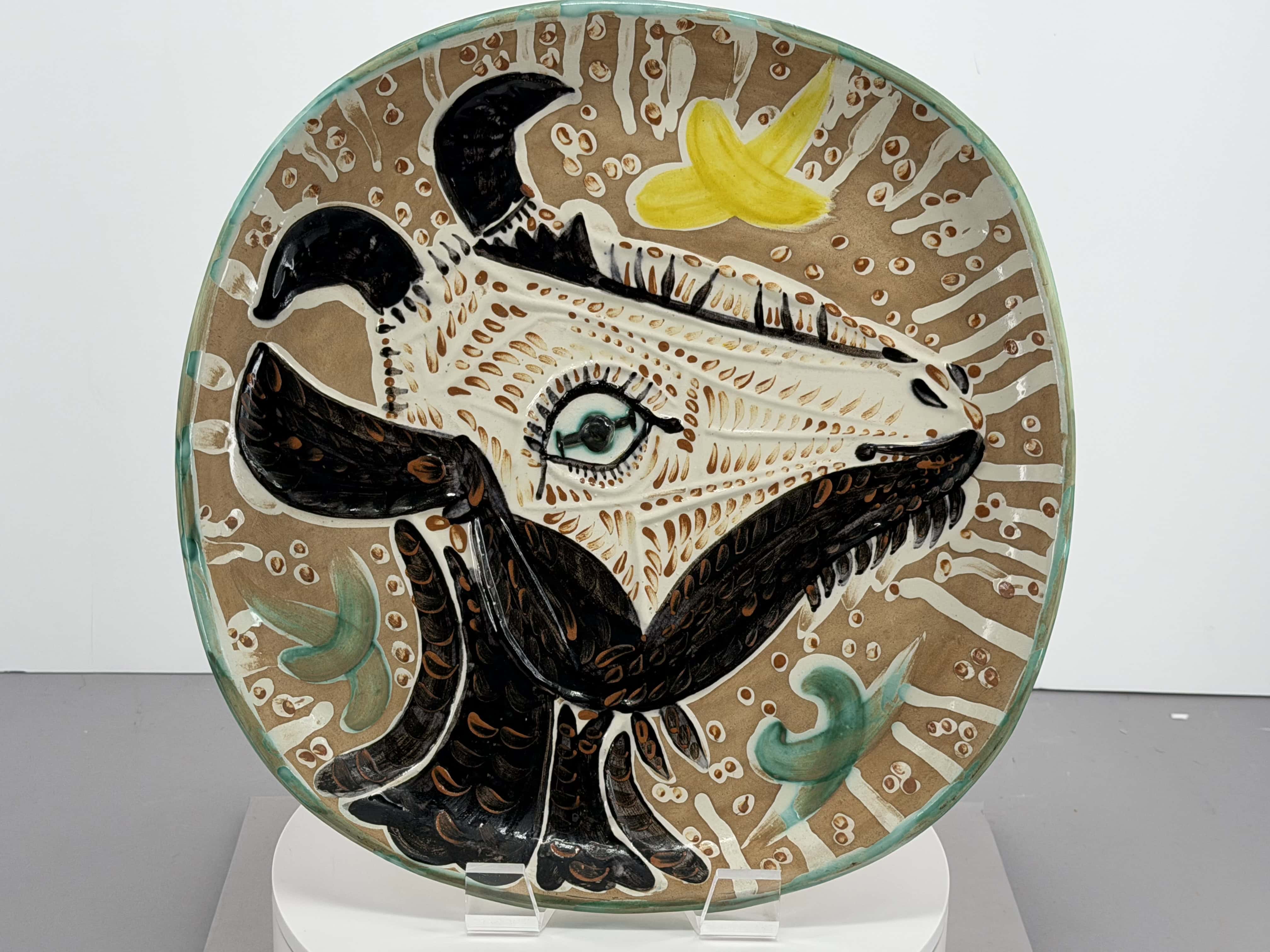
Picasso’s collaboration with Suzanne and Georges Ramié at Madoura in Vallauris brought faces, animals and mythological subjects into ceramic forms. These examples illustrate the variety of his editioned work; each ceramic requires its own identification.


Explore Picasso Ceramics by Form


Identifying Your Picasso Ceramic
What does an A.R. number mean?
An A.R. number refers to Alain Ramié’s Picasso: Catalogue of the Edited Ceramic Works 1947–1971. It identifies a documented ceramic design and helps guide comparison of its form, dimensions, decoration and edition. The reference is different from an individual piece’s edition number and need not appear on the object.
For example, Personnages et têtes, 1954, is catalogued as A.R. 242, with an edition of 25. Its catalogue reference identifies the design; a fraction on an individual ceramic records its numbering within an edition.
Editioned ceramics and unique works
Madoura produced authorized editions based on Picasso’s ceramic designs, alongside his unique ceramic work. An editioned ceramic should not be described as personally painted by Picasso without supporting evidence. Likewise, an unfamiliar color or variation does not by itself establish that an object is unique.
Materials, dimensions and production details
Materials and decoration vary by design, including earthenware, colored slips, glazes, engraving and relief. Record height, width and depth where practical. Compare the complete form and surface with the documented edition. A date of conception identifies the design’s creation and may differ from when a particular ceramic was produced.
Madoura Stamps, Inscriptions and Numbering
Markings can appear underneath, on the reverse or inside a vessel. Their wording and placement vary between editions. Photograph every accessible mark rather than relying on one familiar stamp.
| Marking | What it helps document |
|---|---|
| Madoura Plein Feu | A workshop mark associated with Madoura production. |
| Edition Picasso | An inscription found on authorized ceramic editions. |
| Empreinte Originale de Picasso | A production designation associated with transferring an impressed design into clay. |
| d’Après Picasso | Wording documented on certain authorized Madoura editions. |
A stamp alone does not establish authenticity. The ceramic’s form, materials, decoration, measurements and ownership records should support the identification. Read our Picasso identification guide for more information.
How Much Is Your Picasso Ceramic Worth?
Begin with the exact design and edition, then assess the individual object. For guidance on condition, ownership records and relevant market comparisons, visit our Picasso value guide.
How to Sell Your Picasso Ceramic
1. Send photographs and basic details
Photograph the front, sides, reverse and base, including stamps, numbering and labels. Add dimensions, purchase records and close-ups of chips, cracks or repairs. Only photograph areas you can access safely.
2. We research and evaluate the ceramic
We compare the object with the relevant catalogue information and review its edition, condition and ownership history. Additional photographs or physical examination may be needed to distinguish production characteristics from later damage.
3. Consider a direct purchase offer
For ceramics suitable for our inventory, we may make a confidential offer. If you accept, we discuss inspection, payment, professional packing and transportation. Learn more about our selling process.
Common Questions About Selling Picasso Ceramics
Does my ceramic need a handwritten Picasso signature?
No. Authorized editions can carry workshop stamps and edition inscriptions. Compare the markings with the documented design; a handwritten signature is not a universal requirement.
Can I submit a ceramic with damage or restoration?
Yes. Disclose the condition and send clear photographs. Chips, cracks and earlier repairs affect the assessment, but do not automatically rule out an inquiry. Avoid gluing, repainting or polishing the object before review.
Do I need a certificate or original invoice?
You can begin without either. Send available labels, previous descriptions, photographs and ownership details. Any certificate should be assessed by its issuer and connection to the specific ceramic.
Can I sell one ceramic from a collection?
Yes. We consider individual ceramics, groups and sets. For a group, provide an overall photograph and separate images of each object and its markings.
Request a Confidential Picasso Ceramic Evaluation
Send photographs and the details you know. Our gallery will review your ceramic for potential direct purchase and explain the next steps.