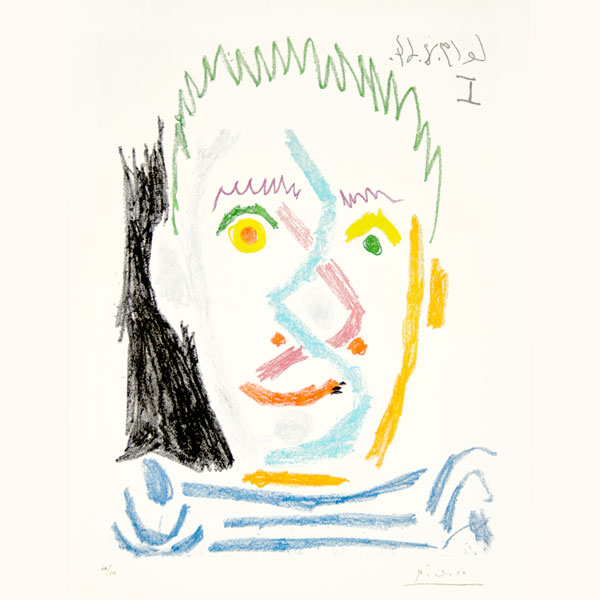
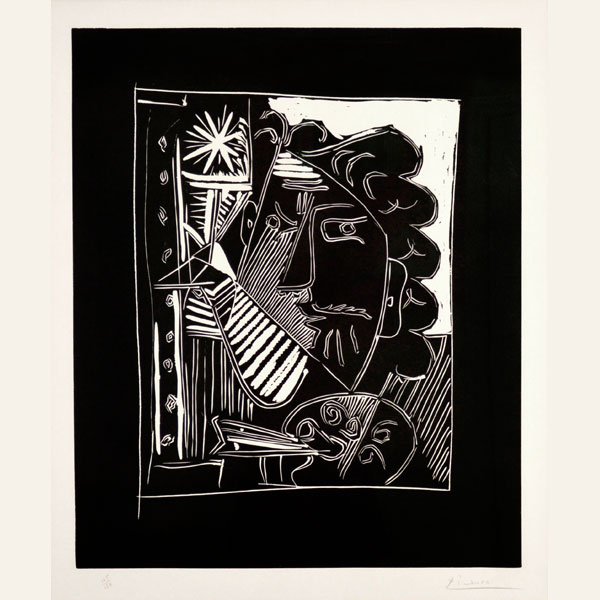


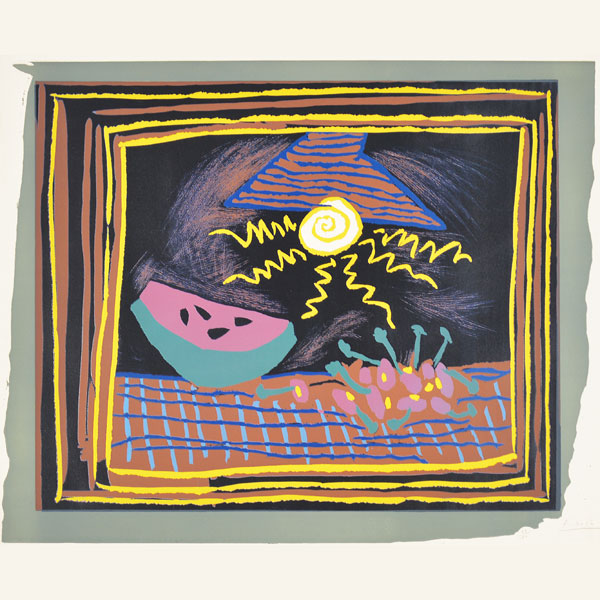
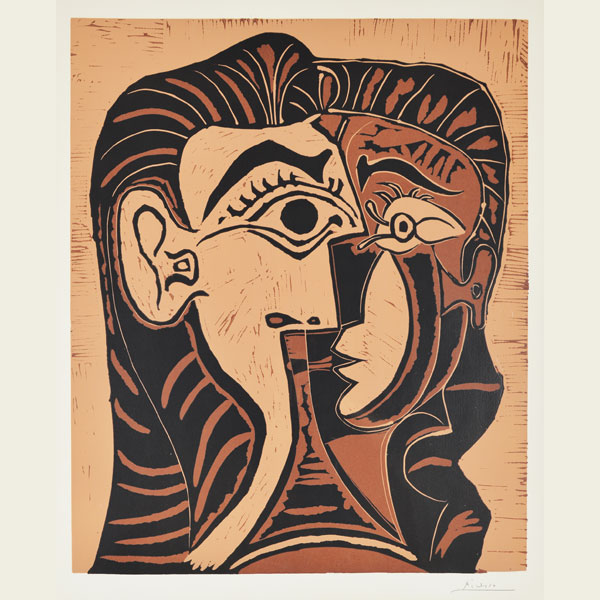
If you are considering selling a Pablo Picasso lithograph, the first step is to identify the exact work and understand where it sits within the current Picasso print market.
Picasso worked extensively in lithography, particularly after World War II through his collaboration with master printer Fernand Mourlot in Paris. He produced signed editions, unsigned original lithographs, artist’s proofs, printer’s proofs, working states, book lithographs and other impressions that can vary substantially in rarity and market value.
We evaluate Picasso lithographs individually and may make confidential direct purchase offers for works we are actively acquiring.
Have a Pablo Picasso Lithograph to Sell?
Complete the form below and upload clear photographs of your artwork. You do not need complete documentation before contacting us. Photographs and basic information are often enough for us to begin identifying and researching the work.
How Much Is My Picasso Lithograph Worth?
The value of a Picasso lithograph depends on the exact work rather than simply the artist’s name.
Important factors include:
- Title and date
- Mourlot catalogue number
- Bloch catalogue number
- Image and subject
- Signed or unsigned status
- Edition size
- Proof type or state
- Paper
- Printer and publisher
- Condition
- Margins and sheet size
- Provenance
- Rarity
- Current collector demand
- Recent comparable sales
A signed color lithograph from a small edition can occupy a very different market from an unsigned book lithograph, poster edition or later reproduction.
For example, Christie’s sold Figure au corsage rayé, a signed color lithograph on Arches paper from an edition of 50, for £100,800 in 2023. By contrast, an unsigned and unnumbered Mourlot edition such as Jeune femme sold for £6,350 in March 2026.
These examples illustrate why the exact edition, catalogue reference, signature status and condition matter more than broad averages for Picasso lithographs.
How Do I Identify My Picasso Lithograph?
Picasso lithographs are commonly identified using catalogue references by Fernand Mourlot and Georges Bloch.
Useful identifying details include:
- Title
- Date
- Image dimensions
- Sheet dimensions
- Signature
- Edition number
- Proof designation
- Paper
- Printer
- Publisher
- Mourlot reference
- Bloch reference
- Provenance
Many major Picasso lithographs were printed by Mourlot in Paris. Auction houses routinely catalogue these works using both Mourlot and Bloch references.
For example, La Colombe is identified as Bloch 583 and Mourlot 141.
If you do not know the title or catalogue numbers, clear photographs of the entire front, reverse, signature and margins are often enough for us to begin researching the work.
Who Was Fernand Mourlot?
Fernand Mourlot was the Paris printer who became central to Picasso’s postwar lithographic production.
Picasso began working intensively at the Mourlot workshop after World War II and ultimately produced hundreds of lithographs there. Their collaboration became one of Picasso’s most important printmaking relationships and allowed him to experiment extensively with stone, transfer techniques, color and multiple states.
Mourlot’s catalogue raisonné remains one of the principal references for identifying Picasso lithographs.
Works with documented Mourlot workshop provenance, printer annotations or rare working states can be particularly important because they may provide direct evidence of a print’s production history.
What Do Mourlot and Bloch Numbers Mean?
A Mourlot number identifies a Picasso lithograph in Fernand Mourlot’s catalogue of Picasso’s lithographic work.
A Bloch number identifies the work in Georges Bloch’s broader catalogue raisonné of Picasso’s graphic works.
These references help establish which documented edition, state or proof a print belongs to.
For example:
Bloch 583; Mourlot 141
identifies Picasso’s La Colombe.
The catalogue number itself does not determine value, but it helps establish the exact work so that relevant recent sales and market comparisons can be used.
Does a Picasso Lithograph Have to Be Signed?
No. Not every authentic Picasso lithograph is signed.
Picasso lithographs can exist as:
- Signed and numbered editions
- Artist’s proofs
- Printer’s proofs
- Working proofs
- State proofs
- Hors Commerce impressions
- Unsigned book editions
- Unsigned published editions
- Exhibition or poster editions
An unsigned lithograph is therefore not automatically a reproduction.
Signed and unsigned impressions can, however, occupy very different markets. The exact edition, paper, dimensions, printer, publisher and catalogue references should all be reviewed together.
What Is a Picasso Working Proof or State Proof?
Lithography allowed Picasso to repeatedly change and rework an image before arriving at the final version.
Some lithographs therefore exist in multiple states, including rare working proofs created before the final edition.
These impressions can be particularly interesting to collectors because they may document Picasso’s creative process and show changes that disappeared in the final published image.
A proof should be evaluated according to its specific state, rarity, annotations, provenance and relationship to the final edition.
What Types of Picasso Lithographs Are Most Desirable?
Collector demand varies significantly by image, period, edition and rarity.
Particularly sought-after areas can include:
- Portraits and heads
- Jacqueline
- Françoise Gilot
- Women and figures
- Bulls and bullfighting imagery
- Doves
- Still lifes
- Major color lithographs
- Small signed editions
- Artist’s Proofs
- Printer’s Proofs
- Rare working or state proofs
- Mourlot workshop impressions
The image alone does not determine value. A rare proof, signed edition and unsigned publication version of the same or related image may each occupy a very different market.
What Affects the Value of a Picasso Lithograph?
Image and Subject
Collector demand varies by image. Portraits, women, bulls, doves, still lifes, Jacqueline, Françoise Gilot and major compositions can each attract different levels of interest.
Signature
Hand-signed and numbered Picasso lithographs generally occupy a different market from unsigned impressions.
Edition and Proof Type
Standard editions, Artist’s Proofs, printer’s proofs, working proofs, trial states and rare intermediate impressions may each have different levels of scarcity and desirability.
Mourlot and Bloch References
Correct catalogue identification is essential when comparing your work with recent sales because visually similar impressions may belong to different editions or states.
Paper and Margins
Picasso lithographs were frequently printed on specific papers, including Arches and other high-quality wove papers.
Auction catalogues routinely specify paper type and whether the sheet retains full margins. A trimmed sheet or compromised margins can affect both identification and value.
Printer and Publisher
Printer and publisher information can help distinguish one edition from another. Mourlot printed many of Picasso’s most important lithographs, while other publishers issued books, portfolios, exhibition works and related editions.
Condition
We review for:
- Fading
- Foxing
- Toning
- Staining
- Creases
- Tears
- Trimming
- Mounting
- Tape residue
- Restoration
- Surface abrasion
- Damage to margins
For works on paper, preservation of the original sheet, surface and margins can be especially important.
Provenance
Gallery invoices, auction records, Mourlot workshop provenance, collection history and other documentation can materially support the history and marketability of a Picasso lithograph.
Original Picasso Lithograph vs. Poster or Reproduction
One of the most important distinctions is whether a work is an original lithograph, an authorized publication or exhibition lithograph, a poster, or a later reproduction.
Similar Picasso imagery may exist in several forms, including:
- Signed and numbered fine-art editions
- Unsigned original lithographs
- Book lithographs
- Exhibition lithographs
- Posters
- Working proofs
- Later reproductions
An unsigned work should not automatically be dismissed as a reproduction, but it should also not be valued as though it were the signed limited edition without confirming exactly which version it is.
The distinction is made by comparing the Mourlot and Bloch references, printing technique, paper, dimensions, signature, edition structure, printer, publisher and provenance.
How Can I Tell If My Picasso Lithograph Is Original?
Determining whether a Picasso lithograph is original requires more than finding Picasso’s name or signature.
We compare:
- Mourlot reference
- Bloch reference
- Image and sheet dimensions
- Paper
- Printing technique
- Edition structure
- Proof or state
- Signature and numbering
- Printer and publisher
- Provenance
- Condition
A signature alone should never be treated as proof that a lithograph is authentic.
Likewise, some legitimate Picasso lithographs were issued with printed signatures or no signature at all. The complete work should correspond with the documented edition.
Should I Restore My Picasso Lithograph Before Selling?
Generally, do not clean, bleach, trim, remount or restore a Picasso lithograph before obtaining specialist advice.
Alterations to the sheet, paper surface, margins or image can affect how collectors evaluate the work.
If the lithograph has foxing, staining, mounting residue, creasing or previous restoration, provide photographs and disclose the condition. The work can be evaluated in its present state before any conservation is considered.
Where Can I Sell My Picasso Lithograph?
Picasso lithographs can be sold through specialist dealers, private buyers, galleries or auction houses.
The best route depends on the exact work, Mourlot and Bloch references, signature status, edition or proof type, condition, provenance, rarity, estimated value and how you prefer to complete the sale.
We specialize in evaluating Pablo Picasso prints for potential direct purchase. For lithographs we are actively seeking, we may make a confidential purchase offer without requiring an auction consignment or public sale.
Before deciding where to sell your Picasso lithograph, correctly identify the exact edition and compare it with recent sales of the same work or closely related impressions.
Should I Sell My Picasso Lithograph Privately or at Auction?
The best route depends on the specific work.
Private Sale
A private sale may provide:
- Greater discretion
- More control over timing
- A negotiated purchase price
- No need to wait for an auction date
For Picasso lithographs we are actively acquiring, we may make a direct purchase offer.
Auction
Auction can be appropriate for rare, important or highly desirable lithographs likely to attract multiple bidders.
Before consigning, consider:
- Seller fees
- Auction estimate
- Reserve
- Sale timing
- Marketing
- Payment schedule
- What happens if the work does not sell
The strongest comparison is not simply the highest published estimate, but the likely net proceeds, timing and certainty of each option.
What Should I Send for a Picasso Lithograph Valuation?
To begin, send:
- Clear photograph of the full front
- Photograph of the reverse
- Close-up of the signature
- Edition number or proof designation
- Full sheet and margins
- Dimensions
- Mourlot number, if known
- Bloch number, if known
- Printer or publisher information
- Gallery labels or stamps
- Purchase invoices or provenance
- Photographs of any condition issues
If you do not know the title or catalogue numbers, that is fine. Clear photographs are often enough for us to begin identifying the work.
What Picasso Lithographs Do We Buy?
We evaluate and purchase selected Picasso lithographs, including:
- Signed and numbered lithographs
- Unsigned original lithographs
- Color lithographs
- Black-and-white lithographs
- Artist’s Proofs
- Printer’s Proofs
- Working proofs
- State proofs
- Rare Mourlot workshop impressions
- Complete suites and groups of lithographs
We consider works from private collectors, estates and collections throughout the United States.
Frequently Asked Questions About Picasso Lithographs
Are Picasso Lithographs Valuable?
Original Picasso lithographs can have significant collector value, but prices vary widely depending on the image, signature, edition, proof type, condition, provenance, rarity and current demand.
A signed limited edition and an unsigned original lithograph using related imagery can occupy very different markets.
What Is a Mourlot Number?
A Mourlot number is a catalogue raisonné reference used to identify a documented Picasso lithograph.
It helps establish the exact work and can be used together with Bloch references, dimensions, paper, edition details and printer information when researching the lithograph.
Are Unsigned Picasso Lithographs Authentic?
Some are. Picasso produced documented unsigned original lithographs for books, publications and other projects.
An unsigned work should be evaluated using its Mourlot and Bloch references, paper, dimensions, printing technique, printer, publisher and edition structure rather than signature status alone.
Does a Picasso Lithograph Need Full Margins?
Not necessarily, but margins can materially affect both identification and value.
Many editions were issued with documented sheet dimensions. Trimming can remove identifying information, reduce the original sheet size and affect how collectors evaluate the work.
Do I Need a Certificate of Authenticity to Sell My Picasso Lithograph?
Not necessarily.
Mourlot and Bloch catalogue references, edition information, signature, paper, dimensions, printer and publisher details, provenance and previous auction or gallery records can all help identify a Picasso lithograph.
If you do not have documentation, clear photographs are often enough for us to begin researching the work.
Ready to Sell Your Picasso Lithograph?
If you are considering selling a Pablo Picasso lithograph, send us photographs of the front and back along with any documentation you have.
We can help identify the work, determine the appropriate Mourlot and Bloch references, review its edition, condition and provenance, research recent comparable sales and evaluate the current market.
For Picasso lithographs we are actively seeking, we may also provide a confidential direct purchase offer.
Ready for a Picasso Lithograph Valuation?
Complete the form below and upload clear photographs of your artwork. You do not need complete documentation before contacting us. Photographs and basic information are often enough for us to begin identifying and researching the work.