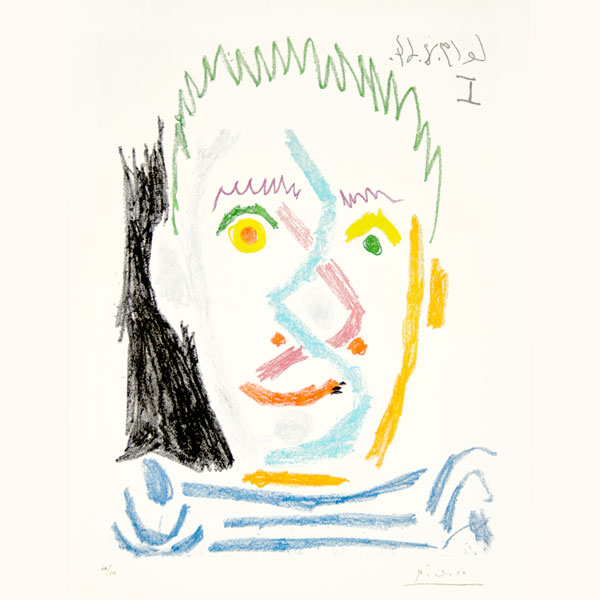
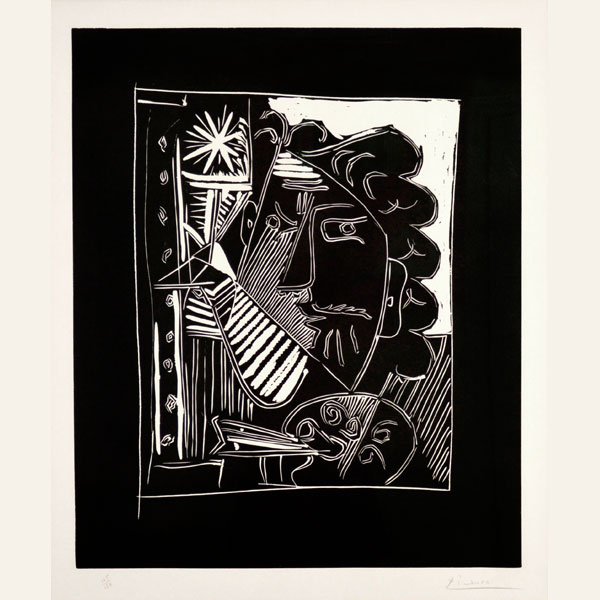


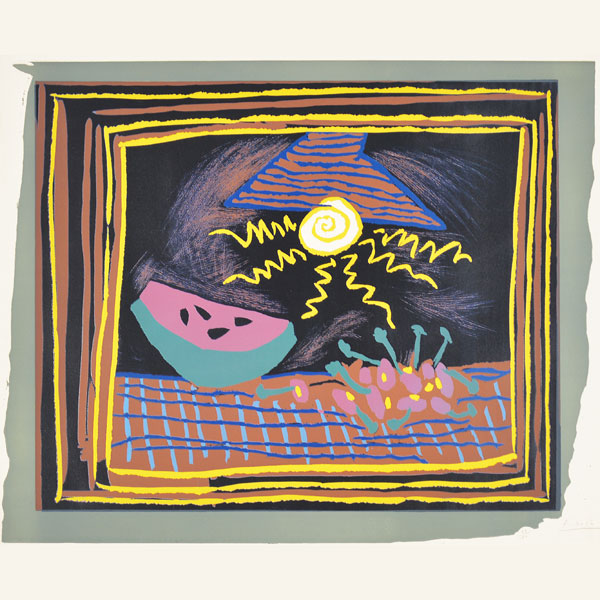
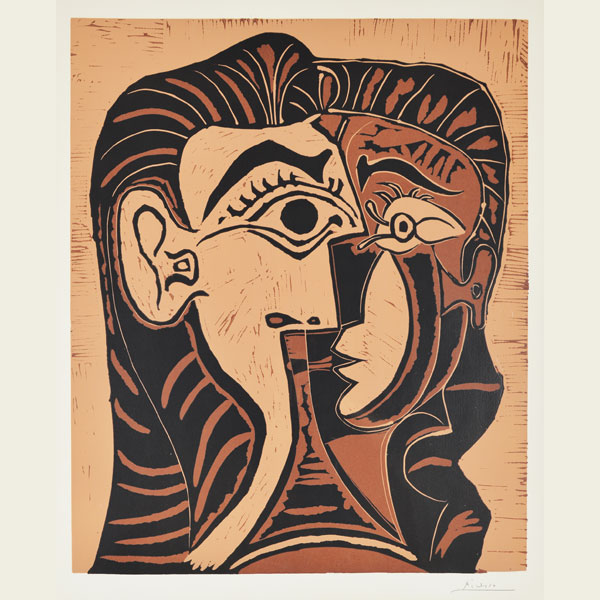
If you are considering selling a Pablo Picasso linocut, the first step is identifying the exact work and understanding where it sits in the current Picasso print market.
Picasso produced a relatively concentrated group of linocuts, many created in Vallauris with the printer Hidalgo Arnéra during the late 1950s and early 1960s. These works are known for bold forms, strong color and Picasso’s innovative use of the reduction linocut process.
We evaluate Picasso linocuts individually and may make confidential direct purchase offers for works we are actively acquiring.
Have a Pablo Picasso Linocut to Sell?
Complete the form below and upload clear photographs of your artwork. You do not need complete documentation before contacting us. Photographs and basic information are often enough for us to begin identifying and researching the work.
How Much Is My Picasso Linocut Worth?
The value of a Picasso linocut depends on the exact work rather than simply the artist’s name.
Important factors include:
- Title and date
- Bloch and Baer catalogue references
- Image or subject
- Signed or unsigned status
- Edition size
- Proof type or state
- Printer and publisher
- Paper and dimensions
- Condition
- Color quality
- Provenance
- Rarity
- Current collector demand
- Recent comparable sales
A signed color linocut from a small edition may occupy a very different market from an unsigned exhibition edition, poster or later reproduction.
For example, Christie’s sold Buste de femme d’après Cranach le Jeune for £567,000 in 2023. The work was a signed and numbered color linocut from an edition of 50, catalogued as Bloch 859 and Baer 1053.
Exceptional results like this should not be applied broadly to every Picasso linocut. The exact image, edition, state, condition and rarity remain critical.
How Do I Identify My Picasso Linocut?
Picasso linocuts are commonly identified using catalogue references by Georges Bloch and Brigitte Baer.
Useful identifying details include:
- Title
- Date
- Image dimensions
- Sheet dimensions
- Signature
- Edition number
- Proof designation
- Paper
- Printer
- Publisher
- Bloch reference
- Baer reference
- Provenance
Many important Picasso linocuts were printed by Hidalgo Arnéra in Vallauris, and auction houses regularly catalogue these works using both Bloch and Baer references.
If you do not know the title or catalogue numbers, photographs of the full sheet, signature, reverse and margins are often enough for us to begin researching the work.
What Is a Picasso Reduction Linocut?
Picasso transformed the traditional linocut process through what became known as the reduction method.
Instead of cutting a separate linoleum block for each color, Picasso progressively cut away a single block as successive colors were printed. Once material had been removed for the next stage, earlier versions of the block could not simply be recreated.
This process allowed Picasso and Hidalgo Arnéra to produce complex multi-color compositions from a single block and became one of the defining technical innovations of Picasso’s linocut production.
Understanding whether a work belongs to one of these documented color editions—and which state or proof it represents—can be important when identifying and valuing a Picasso linocut.
Does a Picasso Linocut Have to Be Signed?
No. Not every authentic Picasso linocut is signed.
Picasso linocuts may exist as:
- Signed and numbered editions
- Artist’s Proofs
- Printer’s Proofs
- Trial proofs
- Bon à tirer proofs
- Hors Commerce impressions
- Unsigned editions
- Exhibition or poster editions
For example, Céret – Picasso 1958 exists in an unsigned edition of 875 as well as a signed edition. Christie’s continues to catalogue such variations separately because signature status and edition structure are important market distinctions.
The absence of a signature does not automatically mean the work is a reproduction, but signed and unsigned impressions can occupy very different markets.
The exact edition, paper, dimensions, printer and catalogue references should be reviewed together.
Who Was Hidalgo Arnéra?
Hidalgo Arnéra was the Vallauris printer who worked closely with Picasso on many of his linocuts.
Their collaboration was central to Picasso’s exploration of the medium, particularly the large color linocuts produced from the late 1950s onward. Christie’s identifies Arnéra as the printer responsible for many of Picasso’s best-known linocuts and describes their collaboration as fundamental to Picasso’s development of the reduction method.
Works with documented Arnéra provenance, workshop stamps, inscriptions or trial-proof status can be particularly interesting because they may relate directly to the production history of an edition.
Rare impressions from the Archives Imprimerie Arnéra continue to appear at auction, sometimes representing states for which only a handful of impressions are known.
What Types of Picasso Linocuts Are Most Desirable?
Collector demand varies significantly by image, edition and rarity.
Particularly sought-after areas can include:
- Major color linocuts
- Portraits and heads
- Jacqueline
- Bullfighting subjects
- Vallauris imagery
- Exhibition compositions
- Small signed editions
- Rare states
- Artist’s and printer’s proofs
- Arnéra archive impressions
- Trial and bon à tirer proofs
A famous image is not automatically the most valuable version. The exact state, edition, proof type, signature and condition can substantially change the market for visually similar impressions.
What Affects the Value of a Picasso Linocut?
Image and Subject
Collector demand varies significantly by image. Portraits, Jacqueline, bullfighting subjects, Vallauris exhibition images and major color compositions can each attract different levels of interest.
Signed vs. Unsigned
Hand-signed and numbered impressions generally occupy a different market from unsigned editions, although important unsigned and documented exhibition impressions can still be collectible.
Edition and Proof Type
Edition size, Artist’s Proofs, printer’s proofs, trial proofs, rare states and bon à tirer impressions may all affect rarity and market value.
Bloch and Baer References
Correctly identifying the work through Bloch and Baer is important because these catalogues distinguish between editions, states and proofs that may appear visually similar.
Printer and Publisher
Hidalgo Arnéra printed many of Picasso’s major linocuts, while various galleries, museums and organizations published different editions. Printer and publisher information should correspond with the documented work.
Condition
Condition can materially affect value. We look for:
- Fading
- Staining
- Foxing
- Creases
- Tears
- Trimming
- Mounting
- Restoration
- Surface abrasion
- Damage to margins
Full margins can be especially relevant because auction catalogues routinely distinguish works retaining their complete sheet from trimmed impressions. Christie’s condition reports also pay close attention to staining, creasing, margins and sheet condition.
Provenance
Gallery invoices, auction records, collection history, printer stamps and other documentation can support the history and marketability of a Picasso linocut.
Original Picasso Linocut vs. Poster or Exhibition Edition
Some Picasso linocuts were created in connection with exhibitions, bullfighting festivals and cultural events, and the same or related image may exist in more than one edition.
For example, a documented subject may exist as:
- A signed and numbered fine-art edition
- An unsigned authorized edition
- An exhibition or event poster
- A proof or trial state
- A later reproduction
These versions may look very similar but can have substantially different values.
The distinction should be made by comparing the Bloch and Baer references, printing technique, paper, dimensions, signature, edition structure, printer and publisher.
An exhibition image should therefore not automatically be dismissed as a reproduction, but it should also not be valued as though it were the signed limited edition without confirming exactly which version it is.
Should I Restore My Picasso Linocut Before Selling?
Usually, do not clean, bleach, trim, remount or restore a Picasso linocut before obtaining specialist advice.
Alterations to the sheet, margins, surface or colors can affect how collectors evaluate the work.
If the linocut has staining, foxing, mounting, creasing or previous restoration, disclose it and provide photographs. A specialist buyer can evaluate the artwork in its current condition.
How Can I Tell If My Picasso Linocut Is Original?
Identifying an original Picasso linocut requires more than checking for a signature.
We compare:
- Bloch and Baer references
- Image and sheet dimensions
- Paper
- Printing technique
- Edition structure
- State or proof type
- Signature and numbering
- Printer and publisher
- Provenance
- Condition
The physical work should correspond with the documented specifications for the particular edition, proof or state.
A signature alone should never be treated as proof of authenticity.
Where Can I Sell My Picasso Linocut?
Picasso linocuts can be sold through specialist dealers, private buyers, galleries or auction houses.
The best route depends on the exact work, Bloch and Baer references, signature status, edition or proof type, condition, provenance, rarity, estimated value and how you prefer to complete the sale.
We specialize in evaluating Pablo Picasso prints for potential direct purchase. For linocuts we are actively seeking, we may make a confidential purchase offer without requiring an auction consignment or public sale.
Before deciding where to sell your Picasso linocut, correctly identify the exact edition and compare it with recent sales of the same work or closely related impressions.
Should I Sell My Picasso Linocut Privately or at Auction?
The appropriate route depends on the exact work.
Private Sale
A private sale can offer:
- Greater discretion
- More control over timing
- A negotiated purchase price
- No need to wait for a scheduled auction
For Picasso linocuts we are actively acquiring, we may make a direct purchase offer.
Auction
Auction can be appropriate for rare or highly desirable linocuts capable of attracting multiple bidders.
Before consigning, consider:
- Seller fees
- Auction estimate
- Reserve price
- Sale timing
- Marketing
- Payment schedule
- What happens if the work does not sell
Rare proofs and exceptional signed color linocuts can perform strongly at auction, but results vary considerably by image, edition, rarity and condition.
What Should I Send for a Picasso Linocut Valuation?
To begin, send:
- Clear photograph of the full front
- Photograph of the reverse
- Close-up of the signature
- Edition number or proof designation
- Photographs showing the full sheet and margins
- Dimensions
- Bloch and Baer references, if known
- Printer or publisher information
- Purchase invoices or provenance
- Photographs of any condition issues
If you do not know the title or catalogue numbers, that is fine. Clear photographs are often enough for us to begin identifying the linocut.
What Picasso Linocuts Do We Buy?
We evaluate and purchase selected Picasso linocuts, including:
- Signed color linocuts
- Signed monochrome linocuts
- Artist’s Proofs
- Printer’s Proofs
- Trial proofs
- Bon à tirer impressions
- Hors Commerce impressions
- Vallauris exhibition linocuts
- Rare Arnéra proofs
- Complete groups or collections of Picasso linocuts
We consider works from private collectors, estates and collections throughout the United States.
Frequently Asked Questions About Picasso Linocuts
Are Picasso Linocuts Valuable?
Original Picasso linocuts can have significant collector value, but prices vary widely depending on the image, edition, signature, proof type, condition, provenance and rarity. Signed color linocuts and rare proofs can occupy a very different market from unsigned exhibition editions.
What Are Bloch and Baer Numbers?
Bloch and Baer numbers are catalogue raisonné references used to identify documented Picasso prints. For linocuts, these references can help distinguish different editions, states and proofs of works that may otherwise look very similar.
Are Unsigned Picasso Linocuts Authentic?
Some are. Picasso linocuts exist in documented unsigned editions as well as signed editions and proofs. An unsigned impression should be evaluated using its paper, dimensions, printing technique, edition structure, printer, publisher and catalogue references.
Does a Picasso Linocut Need Full Margins?
Not necessarily, but margins can affect both identification and value. Some linocuts were issued with specific sheet dimensions, and trimming may remove identifying information or alter the appearance of the work. Full original margins are generally preferable when documented for that edition.
Do I Need a Certificate of Authenticity to Sell My Picasso Linocut?
Not necessarily. Bloch and Baer catalogue references, edition details, signature, paper, dimensions, printer information, provenance and previous auction or gallery records can all help identify a Picasso linocut.
If you do not have documentation, clear photographs are often enough for us to begin researching the work.
Ready to Sell Your Picasso Linocut?
If you are considering selling a Pablo Picasso linocut, send us photographs of the front and back along with any documentation you have.
We can help identify the work, determine the relevant Bloch and Baer references, review its condition and provenance, research recent comparable sales and evaluate the current market.
For Picasso linocuts we are actively seeking, we may also provide a confidential direct purchase offer.
Ready for a Picasso Linocut Valuation?
Complete the form below and upload clear photographs of your artwork. You do not need complete documentation before contacting us. Photographs and basic information are often enough for us to begin identifying and researching the work.