
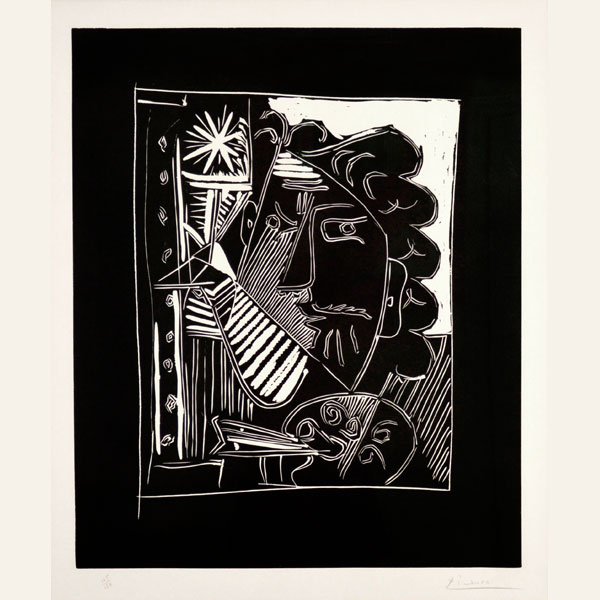


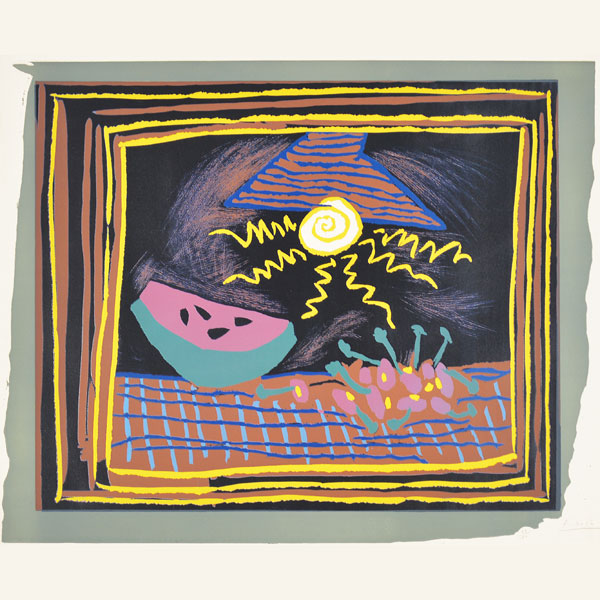
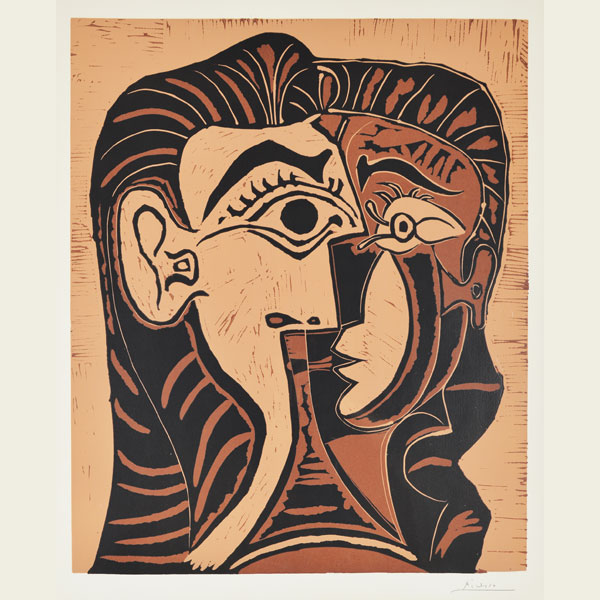
If you are considering selling a Pablo Picasso painting, the first step is to identify the exact work and understand its provenance, condition and place within Picasso’s market.
Picasso’s paintings span more than seven decades and include Blue Period works, Rose Period paintings, Cubist compositions, portraits, still lifes, landscapes, interiors and later works. Values can vary enormously depending on the date, subject, medium, provenance, exhibition history, catalogue raisonné references, condition, rarity and current collector demand.
We evaluate Picasso paintings and other unique works individually and may make confidential direct purchase offers for works we are actively seeking.
Have a Pablo Picasso Painting to Sell?
Complete the form below and upload clear photographs of your artwork. You do not need complete documentation before contacting us. Photographs and basic provenance information are often enough for us to begin identifying and researching the work.
How Much Is My Picasso Painting Worth?
The value of a Picasso painting depends on the specific work rather than simply the artist’s name.
Important factors include:
- Date and period
- Subject
- Medium and support
- Dimensions
- Signature and inscriptions
- Provenance
- Exhibition history
- Literature and catalogue raisonné references
- Condition
- Rarity
- Recent comparable sales
- Current collector demand
A small later painting can occupy a very different market from an early Blue Period work, a Cubist composition or a major portrait.
The strongest valuation therefore begins by identifying the exact work and comparing it with genuinely relevant examples.
How Do I Identify My Picasso Painting?
Useful identifying details include:
- Title
- Date
- Medium
- Dimensions
- Signature
- Inscriptions
- Labels on the reverse
- Gallery or dealer stamps
- Exhibition labels
- Provenance
- Literature references
- Catalogue raisonné references
For Picasso paintings and drawings, the Christian Zervos catalogue raisonné remains one of the principal scholarly references. The complete Zervos catalogue spans 34 volumes and reproduces more than 16,000 Picasso works.
Other period-specific references may also be relevant. Major auction houses catalogue Picasso works using Zervos together with additional scholarly references when appropriate. Current Sotheby’s catalogue entries, for example, continue to cite Zervos alongside provenance, exhibition history and literature when presenting major Picasso paintings.
What Is a Picasso Zervos Number?
A Zervos number refers to the artwork’s entry in Christian Zervos’s multi-volume catalogue raisonné of Picasso’s paintings and drawings.
A Zervos reference can help establish:
- Documented title
- Date
- Medium
- Dimensions
- Known image of the work
- Relationship to Picasso’s documented body of work
A Zervos entry can be highly important, but it should not be viewed in isolation. Provenance, physical examination, literature, exhibition history and other scholarly documentation should also be considered when evaluating a Picasso painting.
Why Is Provenance So Important for a Picasso Painting?
Provenance can be one of the most important factors in evaluating a Picasso painting.
A strong ownership history may include:
- Direct acquisition from Picasso
- Major dealers such as Daniel-Henry Kahnweiler or Paul Rosenberg
- Galerie Louise Leiris
- Established galleries
- Recognized private collections
- Auction history
- Estate records
- Museum exhibitions
- Published literature
Major auction catalogues devote substantial attention to provenance because ownership history can help establish continuity, scholarship and market confidence. Current Sotheby’s Picasso offerings, for example, prominently document gallery ownership, private collections, exhibitions and Zervos references.
Does the Period Affect the Value of a Picasso Painting?
Yes. Picasso’s market can vary significantly by period.
Collectors distinguish among works from:
- Early Barcelona and Paris years
- Blue Period
- Rose Period
- African-influenced period
- Analytic Cubism
- Synthetic Cubism
- Neoclassical period
- Surrealist-influenced works
- Wartime works
- Postwar portraits and interiors
- Late paintings
Period alone does not determine value, but works associated with historically important moments in Picasso’s career may attract very different levels of demand.
The subject, quality, provenance, size, condition and importance within the period still matter greatly.
Does Subject Matter Affect Picasso Painting Value?
Yes. Collector demand can vary significantly by subject.
Important Picasso themes include:
- Portraits of women
- Jacqueline Roque
- Dora Maar
- Marie-Thérèse Walter
- Françoise Gilot
- Harlequins and saltimbanques
- Bulls and bullfighting
- Musicians
- Still lifes
- Interiors
- Artist and model scenes
- Landscapes
Certain subjects are closely associated with important periods of Picasso’s career and may carry stronger collector recognition.
A major portrait with distinguished provenance can occupy a very different market from a more routine composition from the same year.
How Is a Picasso Painting Authenticated?
Determining whether a Picasso painting is authentic requires more than a signature.
A specialist review may consider:
- Provenance
- Zervos or other catalogue raisonné references
- Medium and support
- Dimensions
- Signature and inscriptions
- Labels and stamps
- Exhibition history
- Published literature
- Comparison with documented works
- Condition and physical characteristics
A signature alone should never be treated as proof of authenticity.
For important paintings, provenance and scholarly documentation can be especially significant.
Picasso Painting vs. Attribution, Studio Work or Later Copy
Not every painting carrying Picasso’s name or signature is necessarily an authenticated work by Pablo Picasso.
A work encountered in the market may be:
- An authenticated Picasso painting
- A work previously attributed to Picasso
- A studio-related or associated work
- A later copy
- A reproduction
- A work bearing a spurious signature
These categories can occupy completely different markets.
Before estimating value, the painting should be compared with catalogue raisonné information, provenance, physical characteristics, exhibition history, literature and other scholarly documentation.
If the work is not documented in Zervos or another accepted reference, that does not automatically prove it is inauthentic, but it may require substantially more research and specialist review.
Does Condition Affect the Value of a Picasso Painting?
Yes. Condition can materially affect value.
We review for:
- Paint loss
- Cracking
- Flaking
- Abrasion
- Overpainting
- Retouching
- Lining
- Structural issues
- Tears or punctures
- Surface cleaning
- Previous restoration
- Condition of the support
Conservation history should be disclosed whenever possible.
A work that has been restored is not automatically undesirable, but the nature, extent and quality of the restoration matter.
Should I Restore My Picasso Painting Before Selling?
Generally, do not clean, retouch, reline or restore a Picasso painting before obtaining specialist advice.
Conservation can affect both appearance and market perception, and unnecessary intervention may make evaluation more difficult.
If the painting has known restoration or damage, provide photographs and any available conservation records. The work can be evaluated in its current condition before deciding whether further treatment is appropriate.
How Do Recent Comparable Sales Affect Picasso Painting Value?
Comparable sales are important, but the comparisons must be meaningful.
A useful Picasso painting valuation considers works with similar:
- Date or period
- Subject
- Medium
- Dimensions
- Quality
- Provenance
- Condition
- Exhibition history
A record price for a major museum-quality Picasso should not be applied to an unrelated painting simply because both are by Picasso.
The strongest comparisons are generally works from the same period or closely related body of work.
Current auction examples also show how important provenance, literature and exhibition history are. Sotheby’s 2026 Picasso offerings continue to present these factors alongside estimates and catalogue references for major paintings.
Where Can I Sell My Picasso Painting?
Picasso paintings can be sold through specialist dealers, private buyers, galleries or auction houses.
The best route depends on the exact painting, its period, subject, provenance, condition, scholarly documentation, estimated value and how you prefer to complete the sale.
We evaluate Pablo Picasso paintings and unique works for potential direct purchase. For works we are actively seeking, we may make a confidential purchase offer without requiring an auction consignment or public sale.
Before deciding where to sell your Picasso painting, identify the exact work and review relevant comparable sales, provenance and current collector demand.
Should I Sell My Picasso Painting Privately or at Auction?
The appropriate route depends on the specific painting.
Private Sale
A private sale can offer:
- Greater discretion
- More control over timing
- Confidential negotiation
- No need to wait for a scheduled auction
- Direct discussion with a specialist buyer
For Picasso paintings we are actively seeking, we may make a direct purchase offer.
Auction
Auction may be appropriate for important paintings likely to attract competitive bidding.
Before consigning, consider:
- Seller fees
- Auction estimate
- Reserve price
- Sale timing
- Marketing strategy
- Payment schedule
- Public exposure
- What happens if the painting does not sell
Sotheby’s currently offers both auction and private-sale routes for paintings, reinforcing that the best method depends on the specific work rather than a single universal selling strategy.
The highest estimate is not necessarily the same as the highest net result or the most suitable transaction.
What Should I Send for a Picasso Painting Valuation?
To begin, send:
- Clear photograph of the front
- Photograph of the reverse
- Close-up of the signature
- Dimensions
- Medium
- Title and date, if known
- Zervos or other catalogue reference, if known
- Gallery labels or stamps
- Purchase invoices
- Provenance
- Exhibition history
- Conservation reports
- Photographs of any condition concerns
If you do not have all of this information, send what you have. Photographs and provenance can often provide enough information to begin researching the painting.
What Picasso Paintings and Unique Works Do We Evaluate?
We evaluate selected:
- Oil paintings
- Gouaches
- Watercolors
- Unique works on paper
- Drawings
- Mixed-media works
- Painted panels
- Other unique Picasso works
We consider works from private collectors, estates and collections throughout the United States.
Frequently Asked Questions About Picasso Paintings
Are Picasso Paintings Valuable?
Authentic Picasso paintings can have substantial market value, but prices vary enormously by date, period, subject, quality, provenance, exhibition history, condition and rarity.
The artist’s name alone is not enough to establish value. The exact work must be identified and compared with genuinely relevant examples.
What Is the Most Important Factor in Picasso Painting Value?
There is no single factor. Period, subject, quality, provenance, condition and scholarly documentation all matter.
For important paintings, a strong combination of historically significant date, desirable subject, recognized provenance and published documentation can materially affect collector demand.
Does a Picasso Painting Need a Zervos Number?
A Zervos reference can be extremely important because it links a painting to Picasso’s documented body of work.
However, valuation and authentication should not rely on a catalogue reference alone. Provenance, literature, exhibition history and physical examination also matter.
Can I Sell a Picasso Painting Without Provenance?
Possibly, but limited or incomplete provenance may require additional research.
If you have invoices, old photographs, correspondence, labels, estate records or any documentation showing how the painting entered your family or collection, include it when requesting an evaluation.
Do I Need a Certificate of Authenticity to Sell a Picasso Painting?
Not necessarily.
For Picasso paintings, catalogue raisonné references, provenance, exhibition history, published literature, gallery documentation and specialist review may be more important than a generic certificate.
If you do not have formal documentation, send photographs of the front, reverse, signature, labels and any ownership records you have.
Ready to Sell Your Picasso Painting?
If you are considering selling a Pablo Picasso painting or other unique work, send us photographs and any documentation you have.
We can help identify the work, review its provenance, condition, catalogue references and relevant recent sales, and evaluate the current market.
For Picasso paintings we are actively seeking, we may also provide a confidential direct purchase offer.
Ready for a Picasso Painting Valuation?
Complete the form below and upload clear photographs of your artwork. You do not need complete documentation before contacting us. Photographs and basic provenance information are often enough for us to begin identifying and researching the work.